The Nintendo Switch’s launch in 2017 heralded a veritable gold rush for independent game developers. The eShop, while not entirely desolate, presented a vast, largely untapped frontier. It was a landscape ripe for the picking, a digital Wild West where innovation flourished and unique voices found an eager audience. Early adopters, hungry for fresh experiences beyond Nintendo’s first-party titans, flocked to this burgeoning ecosystem, fueling a period of unprecedented growth and opportunity.
This initial wave was a breathtaking spectacle. Imagine a tidal wave of creativity, crashing against the shores of the eShop, each wave bringing a new and exciting title. Indie developers, previously relegated to the margins of the gaming world, suddenly found themselves basking in the spotlight. The Switch, with its unique hybrid design and instant appeal, became the perfect vessel for their visions, a platform that embraced experimentation and fostered a sense of community amongst both developers and players.
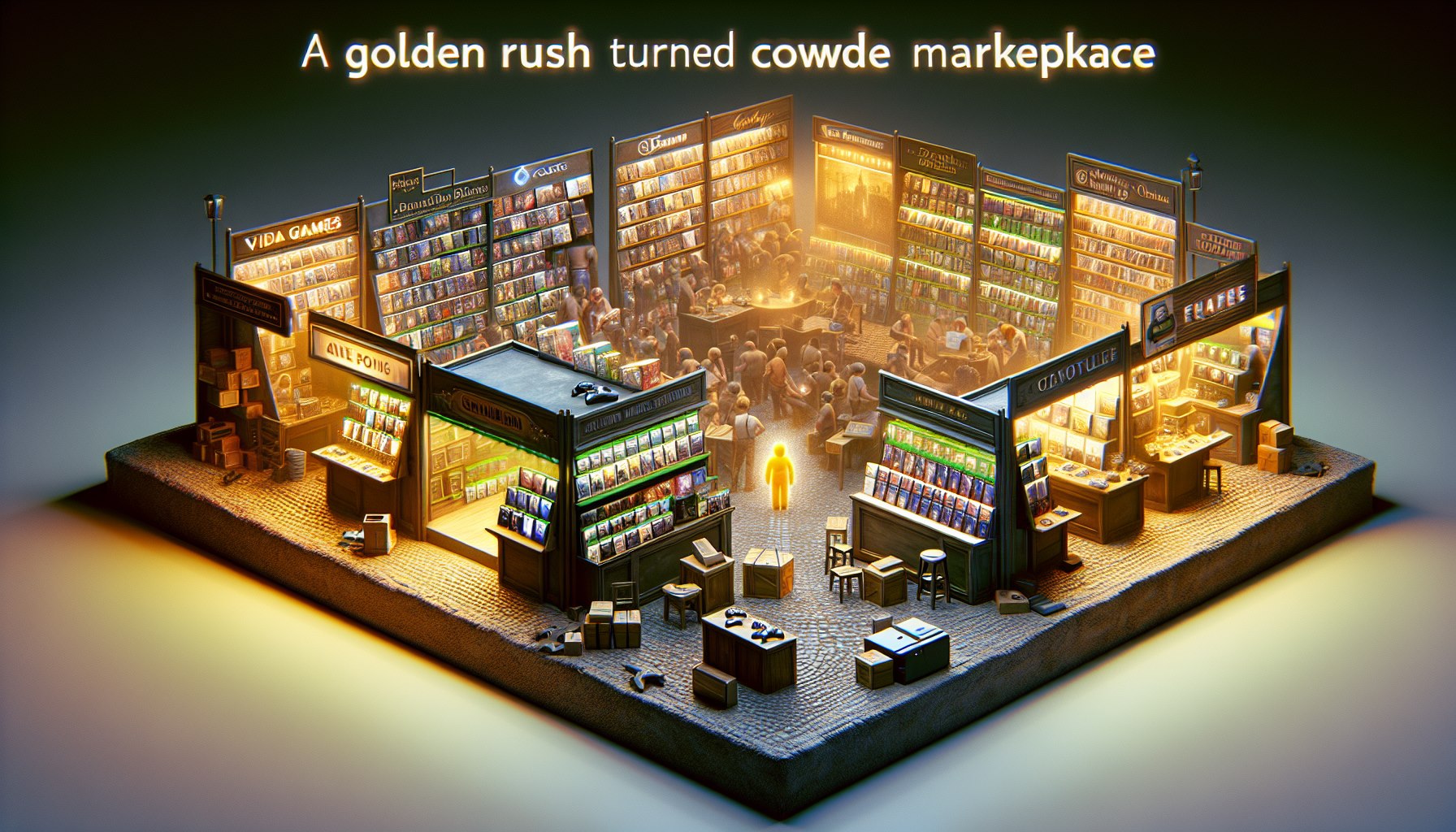
However, this initial golden age couldn’t last forever. As more developers flocked to the Switch, drawn by its success, the eShop transformed from a wide-open plain to a bustling metropolis. The once-sparse landscape quickly became a crowded marketplace, a vibrant but competitive ecosystem where standing out required more than just a good game; it demanded a marketing strategy as sharp as a katana and a level of visibility that could rival a supernova.
The problem wasn’t simply a matter of saturation. The very qualities that made the Switch a haven for indie developers—its accessibility and its broad appeal—also contributed to the challenges they faced. The console’s popularity meant a massive audience, yes, but also a level of noise that made it increasingly difficult for smaller titles to be heard above the din. Finding your niche in a sea of thousands of games became a herculean task, a Sisyphean struggle against the relentless tide of new releases.
This led to a fascinating paradox. While the Switch undeniably boosted the indie scene to previously unimaginable heights, it also presented a new set of hurdles. The very success of the platform created its own set of problems, transforming a once-promising gold rush into a more complex, often cutthroat, competition. The ease of entry, initially a boon, morphed into a double-edged sword, leading to a market increasingly saturated with titles vying for attention.
The Switch 2 and the Future of Indie Development
The upcoming Switch 2 presents a unique opportunity to address these challenges. Nintendo has a chance to refine the eShop experience, perhaps by implementing more robust discovery tools, improving curation, or even providing more support for indie marketing initiatives. A more sophisticated algorithm could help ensure that promising titles don’t get lost in the digital shuffle, giving smaller studios a fighting chance to reach a wider audience. Imagine a curated section highlighting games with a unique art style, or a more refined genre-based categorization. This would make the eShop more navigable and fairer to developers.
The Switch’s legacy with indie games is far from simple. It’s a story of both remarkable success and unforeseen challenges. The initial burst of innovation and opportunity was followed by a period of intense competition, a testament to the platform’s popularity and the sheer volume of talented developers eager to showcase their work. The Switch 2 offers a chance for Nintendo to build upon the positive aspects of this legacy while proactively addressing the challenges that emerged. Whether this opportunity will be seized remains to be seen, but the future of indie development on Nintendo’s next-generation console hangs in the balance. The potential for another golden age is certainly there, but it will require careful planning and a commitment to fostering a sustainable ecosystem for independent creators.
| Challenge | Potential Solution |
|---|---|
| Market Saturation | Improved eShop curation and discovery tools |
| Visibility Issues | Enhanced marketing support for indie developers |
| Competition for Resources | Potential for Nintendo to invest more in highlighting smaller titles |
Ultimately, the story of the Switch and indie games serves as a cautionary tale – a reminder that even the most successful platforms need to evolve and adapt to stay relevant. The future of indie development on the Switch 2 will depend on Nintendo’s ability to learn from the past and create a truly supportive environment for the diverse and talented individuals who fuel the vibrant landscape of independent game creation.