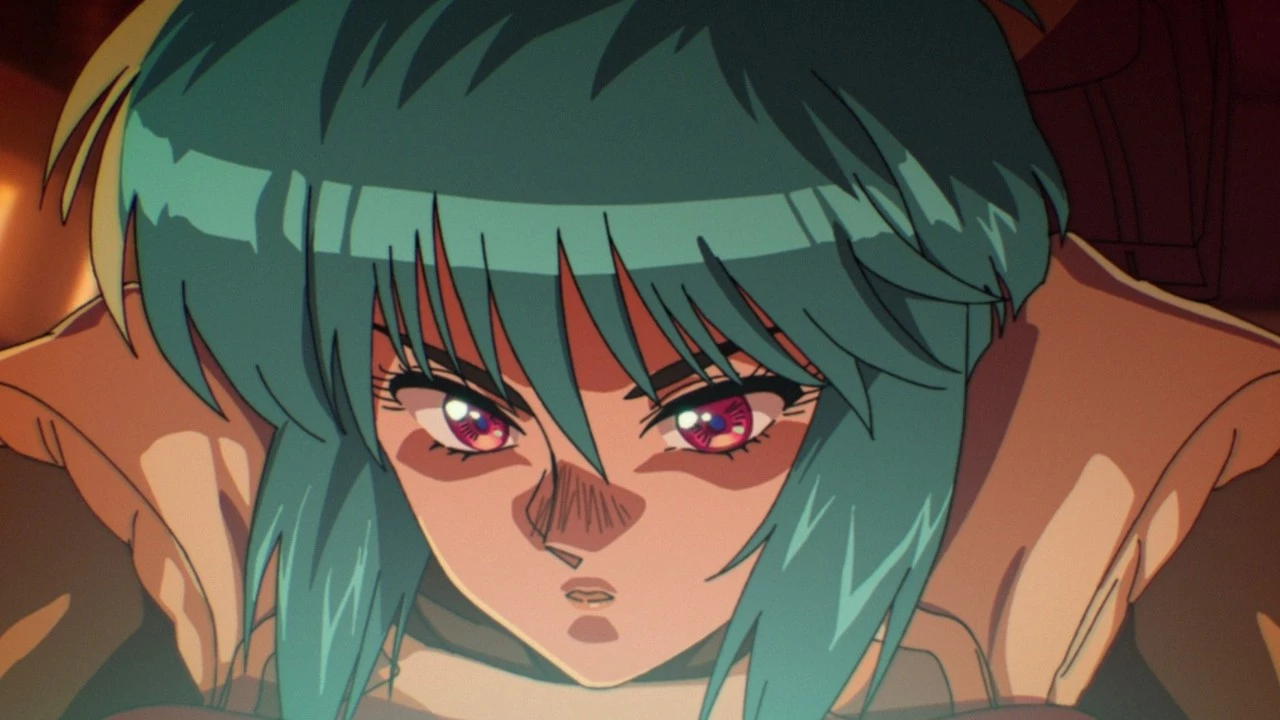
Listen up, gamers. If you’ve spent as much time as I have grinding through neon-drenched digital landscapes and losing sleep over frame rates, you know that the industry is usually a factory of clones. We get the same souped-up visuals, the same tired tropes, and the same soulless adaptations. But every once in a while, a glitch in the system appears—a signal so loud it vibrates through your headset. That signal is Mocochan, the director helming the upcoming Ghost in the Shell project at Studio Science SARU. This isn’t just another reboot; it’s an evolution, and the man behind the desk claims he isn’t even human anymore.
More Than Just a Pulse: The Machine Inside the Creator
You’ve heard of “method acting,” but Mocochan is practicing something I’d call “method directing.” He’s not just adapting Masamune Shirow’s legendary cyberpunk bible; he’s essentially downloading the code into his own consciousness. He’s gone on record saying he considers himself a literal machine—a biological processor tuned to a frequency the rest of us haven’t reached yet. When you’re staring at a monitor for eighteen hours straight, tweaking the pixel-perfect flow of a cybernetic eye, you stop being a guy with a coffee mug and start becoming part of the mainframe.
“I don’t look at a frame and see drawings,” Mocochan once implied during a tech-heavy breakdown of his process. “I see data. I see the flow of energy between the synapses of the animation and the steel heart of the narrative. I am the machine that interprets the ghost.”
Why His Eccentricity is Our Greatest Asset
In the gaming world, we call someone like this a “wild card.” Mocochan doesn’t follow the standard blueprints. He approaches animation like a speedrunner tearing through a map—he finds shortcuts, glitches, and hidden mechanics that everyone else is too afraid to touch. His approach is chaotic, electric, and honestly, a bit terrifying, which is exactly what a franchise like Ghost in the Shell needs. If you want to capture the existential dread of becoming a machine, you can’t have a standard director sitting in a comfortable chair. You need a mad scientist who has blurred the lines between his own ego and the digital canvas.
Here’s why I’m betting my entire GPU budget on this guy:
- Unconventional Vision: He refuses to use traditional pacing, opting instead for a rhythmic, algorithmic style that mimics the way a computer processes information.
- Hyper-Detail Focus: He obsesses over the “ghost” in the animation—the subtle, microscopic details that make a digital character feel like it has a soul.
- Technological Fusion: He treats the studio environment like a motherboard, where every artist is a component working at peak overclocked capacity.
The Future is Rendered in Blood and Circuits
Some critics might call his approach “unstable,” but to me, it looks like pure innovation. We’ve seen enough polished, corporate-friendly adaptations that feel like they were scrubbed clean by an algorithm. Mocochan is doing the opposite—he’s staining the screen with raw, unfiltered data. He is the architect building a skyscraper in a world where everyone else is still playing with Lego bricks. By stripping away his own “human” limitations, he is opening up a gateway to a form of storytelling that feels truly post-human.
When you watch this new series, don’t just look for the plot. Look for the glitches. Look for the moments where the animation feels like it’s vibrating on its own. That’s not just art—that’s the machine talking back to us. If he’s truly replaced his own rhythm with the steady pulse of a CPU, then this isn’t just a TV show. It’s a digital awakening. Keep your sensors locked on this one, folks, because when the machine starts telling its own story, we’d better be ready to listen.