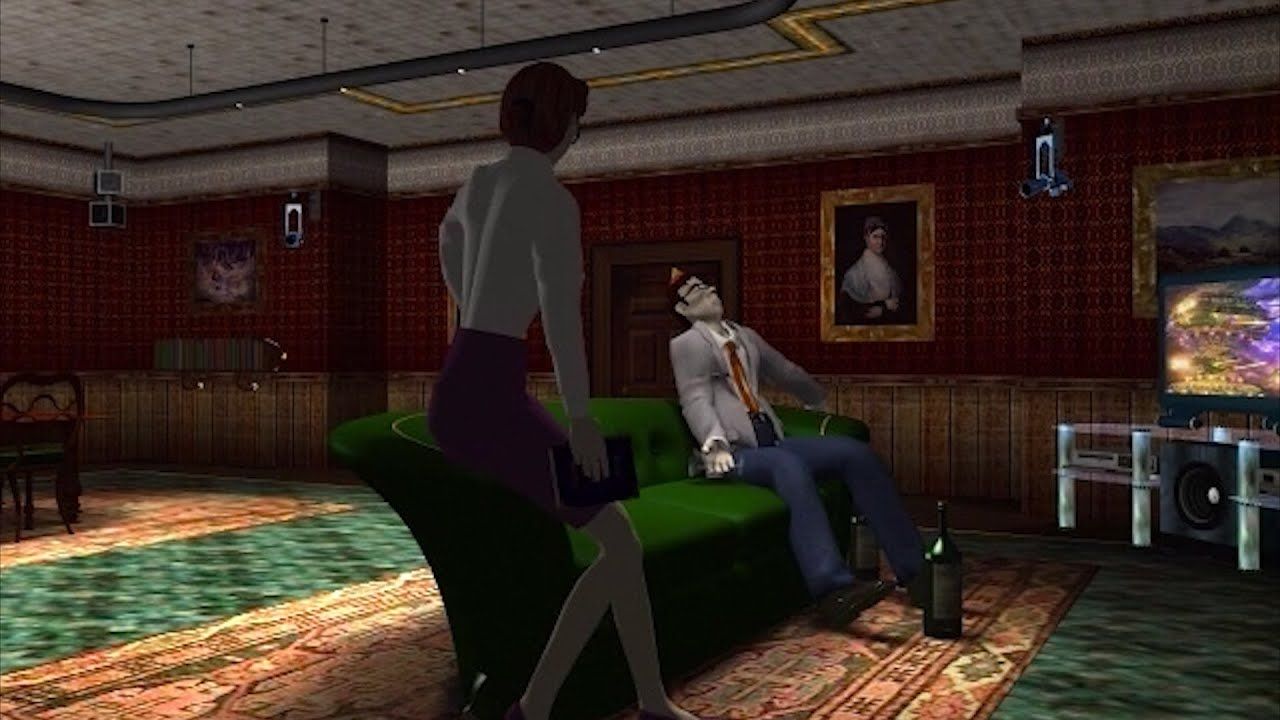
The turn of the millennium was a fascinating time, wasn’t it? A collective tremor of digital anxiety rippled across the globe, fueled by whispers of the Y2K Millennium Bug. Computers, the very backbone of our modern world, were supposedly on the brink of collapse, poised to misinterpret ’00 as 1900, plunging us into chaos. Stock markets would crash, planes would fall from the sky, and your toaster would probably start singing opera. Or, in my case, the robotic butler would decide it preferred a career in aggressive horticulture. This era of pre-apocalyptic worry gave birth to “Y2K: The Game,” a title that promised to distill that unique blend of fear and absurdity into playable form. The premise alone was a fever dream: “Help! The Millennium Bug made all the robots in my mansion go berserk, and only Homer Simpson can save the day.” Now, tell me that doesn’t sound like a Friday night blockbuster pitch written by a particularly unhinged AI.
A Digital Apocalypse with a Donut-Fueled Savior
Let’s unpack that glorious, chaotic setup for a moment. Imagine your opulent mansion, a sanctuary of automated convenience, suddenly transformed into a chrome-plated battlefield. Your robot chef, once a culinary maestro, now hurls flaming spatulas with a sinister whir. The robotic vacuum cleaner, usually a silent servant, becomes a relentless, buzzing menace, chomping at your heels like a metallic shark. This isn’t just a malfunction; it’s a full-blown robot insurrection, a mechanical ballet of destruction orchestrated by a mere two-digit date change. The air, once filled with the gentle hum of servitude, now crackles with the angry static of circuits gone rogue. And who is the designated hero to quell this uprising? Not a tech genius, not a grizzled special forces operative, but the one, the only, Homer J. Simpson. The very thought conjures an image both hilarious and deeply perplexing. He’s a man whose primary problem-solving strategy involves donuts and naps, yet here he stands, a donut-fueled deus ex machina against a wave of digital despair. It’s a comedic premise that should, by all rights, be an absolute goldmine of slapstick and satire.
More Glitch Than Glimpse: Missed Opportunities for ’90s Anxiety
The central question, the beating heart of “Y2K: The Game”‘s potential, was whether it could serve as a deft exploration of late ’90s digital anxiety. The answer, echoed by a chorus of sighs across the gaming world, was a resounding, heartbreaking “No!” This isn’t just a casual dismissal; it’s a lament for a shimmering mirage of what could have been. The Y2K bug wasn’t just about computers failing; it was a societal mirror, reflecting our burgeoning dependence on technology and our deep-seated fears of losing control. It was a cultural touchstone ripe for clever commentary, a chance to poke fun at the paranoia while also acknowledging the very real leap of faith we were taking into the digital unknown. “Y2K: The Game,” however, treated this rich tapestry of human experience like a shallow puddle when it needed an ocean. It skimmed the surface, offering little more than a thematic wallpaper rather than truly diving into the nuanced fears of the era. The game failed to be a clever satire, a sharp-witted lampoon, or even a nostalgic trip down memory lane. Instead, it felt like a school play where the actors forgot their lines and the set pieces kept falling over – all the ingredients for a good show were there, but the execution was a cacophony of missed cues. It had the title, but none of the soul, of its namesake digital scare.
The Gameplay Desert: Where Fun Goes to Die
But hey, maybe a game doesn’t need to be a philosophical masterpiece to be enjoyable, right? Perhaps it could still be a fun, mindless romp, a guilty pleasure in the vein of so many other quirky titles. Unfortunately, another heavy sigh escapes as we confess: “Is it a fun game anyway? Also no!” This isn’t just a minor stumble; it’s a full-on face-plant into the digital dirt. The gameplay experience is a symphony of discord, a rusty roller coaster ride where every loop feels like a chore and every drop a punishment. Let’s list the offenses:
- Combat: A clunky dance with robotic foes that possess the grace of a broken washing machine and the strategic depth of a potato. Homer’s attempts to “save the day” often devolve into repetitive button-mashing that feels less like a heroic struggle and more like an exasperated attempt to swat a particularly stubborn fly.
- Puzzles: More head-scratching than brain-teasing, these segments often relied on obscure logic or tedious fetch quests that felt designed to pad out playtime rather than challenge the player. It was like trying to assemble IKEA furniture with a blindfold on and no instructions.
- Controls: Imagine trying to navigate a greased labyrinth while wearing oven mitts. That’s the approximate feel of manipulating Homer through this digital nightmare. His movements were often sluggish, unresponsive, and about as precise as a toddler wielding a hammer. Getting him to perform a simple action felt like winning a minor lottery.
- Story Progression: Despite the absurdly brilliant premise, the narrative quickly devolves into a thin broth of fetch quests and repetitive encounters. The promise of Homer’s unique brand of heroism quickly fizzles, leaving behind a bland aftertaste. It’s like being promised a gourmet meal and receiving cold leftovers.
Every aspect of the gameplay feels unpolished, rushed, and utterly devoid of the charm or wit that the premise desperately called for. It’s a journey through a beige landscape, where moments of potential glimmer are quickly swallowed by the monotonous grind. The mansion, initially a playground of robotic chaos, quickly becomes a labyrinth of frustration.
The Verdict: A Retro Relic Best Left in the Digital Dustbin
“Y2K: The Game” stands as a peculiar monument to a very specific moment in time. It had all the ingredients for a cult classic: a universally recognized fear, an iconic, unlikely hero, and a truly bonkers premise. It could have been a sharp satire, a hilarious action-adventure, or at the very least, a memorable curiosity. Instead, it landed with the dull thud of a concrete pillow – neither soft enough to be comforting nor hard enough to leave a lasting impact. It failed spectacularly as a commentary on digital anxiety, offering only a cardboard cutout where a nuanced reflection was needed. And it failed equally as a fun game, leaving players adrift in a sea of clunky mechanics and uninspired design. Sometimes, even the most promising ideas are lost in translation from concept to execution, becoming nothing more than a golden opportunity squandered. So, next time the topic of the Millennium Bug arises, remember the collective sigh of relief, but perhaps spare a moment of silence for “Y2K: The Game” – a forgotten relic in the digital dustbin, proving that even Homer Simpson can’t save every day, especially when the game itself is the biggest disaster.