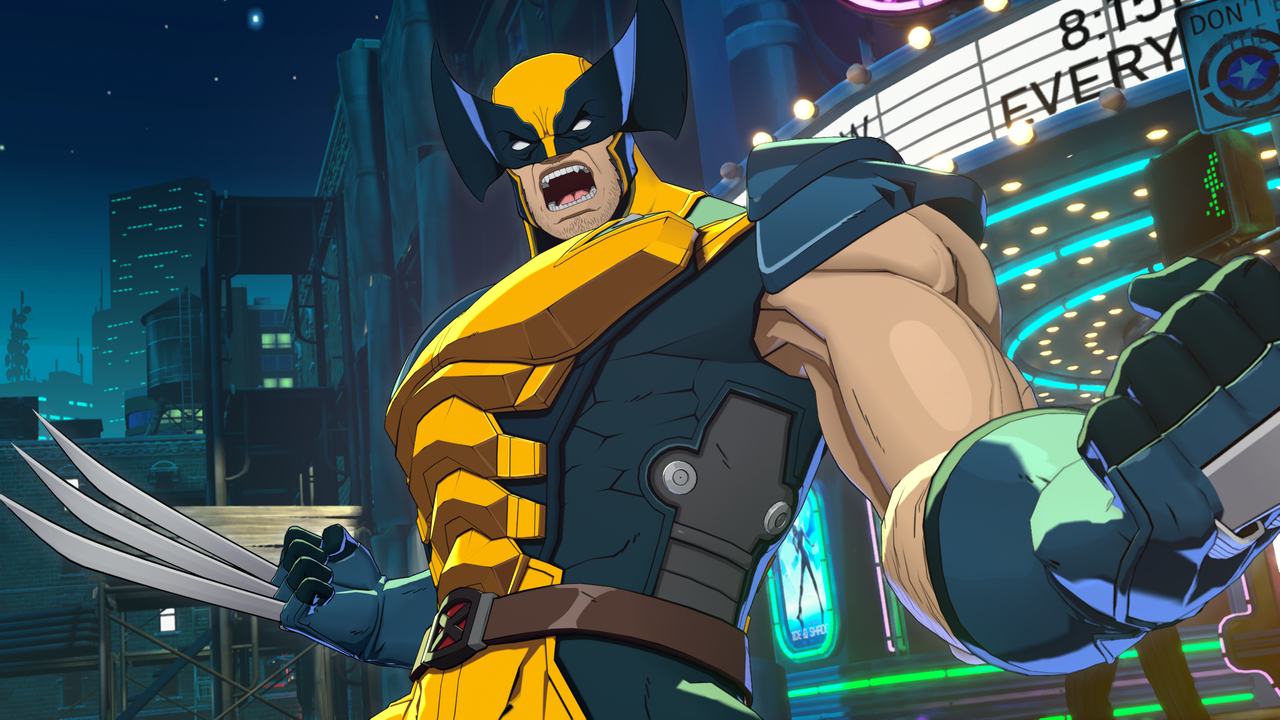
Oh boy, here we go again. Another anticipated title hits the digital shelves, and almost immediately, the community feedback starts pouring in. And unfortunately for fans of the Marvel universe and fighting games, the initial reports for Marvel Tōkon: Fighting Souls are painting a rather grim picture. What was supposed to be a triumphant launch day has, for many, devolved into a frustrating experience, earning the game a decidedly mixed Steam rating, with a particularly noticeable outcry from the Linux gaming community. Ouch, indeed.
High Hopes Dashed on the Rocks of Reality
Let’s be honest, the anticipation for Marvel Tōkon: Fighting Souls was palpable. The idea of a new, high-octane fighting game featuring beloved Marvel characters is a recipe for success on paper. Gamers were ready to dive into intricate combat systems, stunning visuals, and perhaps even a compelling story mode. The trailers showcased dynamic action and an impressive roster, building a significant amount of hype leading up to its release. Developers and publishers pour immense resources into marketing and development, aiming for that glorious launch day buzz. When that buzz turns into a cacophony of complaints, it truly stings, not just for the players, but for everyone involved.
The Double Whammy: Performance Woes and Forced Logins
The core of the problem, according to early adopters, seems to be a two-pronged attack on player satisfaction. First up, we have the ever-present bogeyman of launch day performance issues. This isn’t just about minor hiccups; we’re talking about fundamental problems that hinder the core gameplay experience. Players are reporting:
- Inconsistent Frame Rates: Even on powerful hardware, the game reportedly struggles to maintain stable frame rates, leading to stuttering and a less fluid combat experience, which is absolutely critical for a fighting game.
- Frequent Crashes: Nothing kills immersion faster than the game unceremoniously quitting to desktop. Reports of crashes during matches, menu navigation, or even at startup are far too common.
- Graphical Glitches: From texture pop-in to visual artifacts, some players are encountering distracting graphical issues that detract from the overall polish.
These performance problems alone are enough to sour a launch, but then came the second, equally contentious issue: forced logins. This refers to the requirement for players to create and log into a separate account with the game’s publisher or developer, even after purchasing the game on Steam. This often sits poorly with the PC gaming community for several reasons:
- Extra Friction: It adds an unnecessary hurdle between purchasing and playing, complicating the user experience.
- Privacy Concerns: Many players are wary of sharing more personal data than necessary with multiple platforms.
- Dependency: It creates another point of failure. If the publisher’s login servers go down, players can’t access a game they own, even for single-player content.
- DRM Implications: It’s often perceived as an additional layer of Digital Rights Management (DRM) that can be more intrusive than beneficial.
This combination of technical instability and perceived anti-consumer practices has understandably infuriated a segment of the player base, leading to many negative reviews that specifically highlight these grievances.
Linux Users Feel the Brunt of the Blow
While general PC users are facing their share of frustrations, the situation appears to be particularly dire for Linux users. The Linux gaming ecosystem has made tremendous strides thanks to Valve’s Proton compatibility layer, which allows Windows-native games to run on Linux. However, Proton isn’t a magic bullet, and certain game architectures or DRM schemes can pose significant challenges. For Marvel Tōkon: Fighting Souls, it seems the confluence of performance issues and the forced login system has created a perfect storm for Linux gamers.
Why are Linux users often more affected or vocal in these scenarios?
- Proton Overhead: While generally efficient, Proton does add a layer of translation. If a Windows game already performs poorly, that performance often degrades further on Linux.
- Driver Specifics: Graphics driver support can be more nuanced on Linux, and if the game isn’t optimized for a wide range of hardware and drivers, Linux users might hit more compatibility snags.
- DRM Incompatibility: Proprietary DRM and forced login systems are frequently designed primarily for Windows, often struggling with or outright blocking access on Proton/Linux. This is a recurring pain point for the community.
- Steam Deck Factor: With the massive success of the Steam Deck, which runs on a Linux-based OS, a significant portion of the PC gaming community now directly experiences how games perform on Linux. Issues here translate directly to a poor handheld experience, amplifying the negative feedback.
The Linux gaming community is a passionate and growing segment, and developers who overlook or fail to adequately support it do so at their own peril. A poor showing on Linux not only alienates this demographic but also sends a clear message about the level of optimization and compatibility a game might receive across various PC configurations.
The Stinging Reality of a Mixed Steam Rating
A “mixed” rating on Steam is a critical blow for any game, especially one with a high-profile IP like Marvel. It usually signifies that roughly 40-69% of reviews are positive, which is far from the “mostly positive” or “very positive” scores that developers strive for. This rating directly impacts:
- Sales: Potential buyers often check Steam reviews before purchasing, and a mixed rating can easily deter them.
- Reputation: It damages the reputation of both the game itself and potentially the developers and publishers for future titles.
- Community Trust: A rocky launch erodes trust, making it harder to engage the community positively moving forward.
The phrase “Ouch, that’s gotta sting” perfectly encapsulates the feeling surrounding this launch. It’s a stark reminder that even with a beloved franchise and significant resources, a game’s success hinges on fundamental stability and respecting the player’s experience. Technical issues and perceived anti-consumer features can quickly overshadow any positive aspects, leading to a vocal backlash that resonates across the gaming landscape.
What Comes Next for Marvel Tōkon: Fighting Souls?
For Marvel Tōkon: Fighting Souls, the path forward is clear, though undoubtedly challenging. The developers must prioritize addressing the performance issues and seriously reconsider the implementation of the forced login system. Open and transparent communication with the community, coupled with swift patches that deliver tangible improvements, will be crucial in salvaging the game’s reputation and attracting new players. The gaming world has seen many titles recover from rough launches, but it requires dedication, responsiveness, and a genuine commitment to improving the player experience. Hopefully, the heroes of Marvel Tōkon: Fighting Souls can fight their way back from this early stumble and deliver the knockout experience fans were hoping for.