
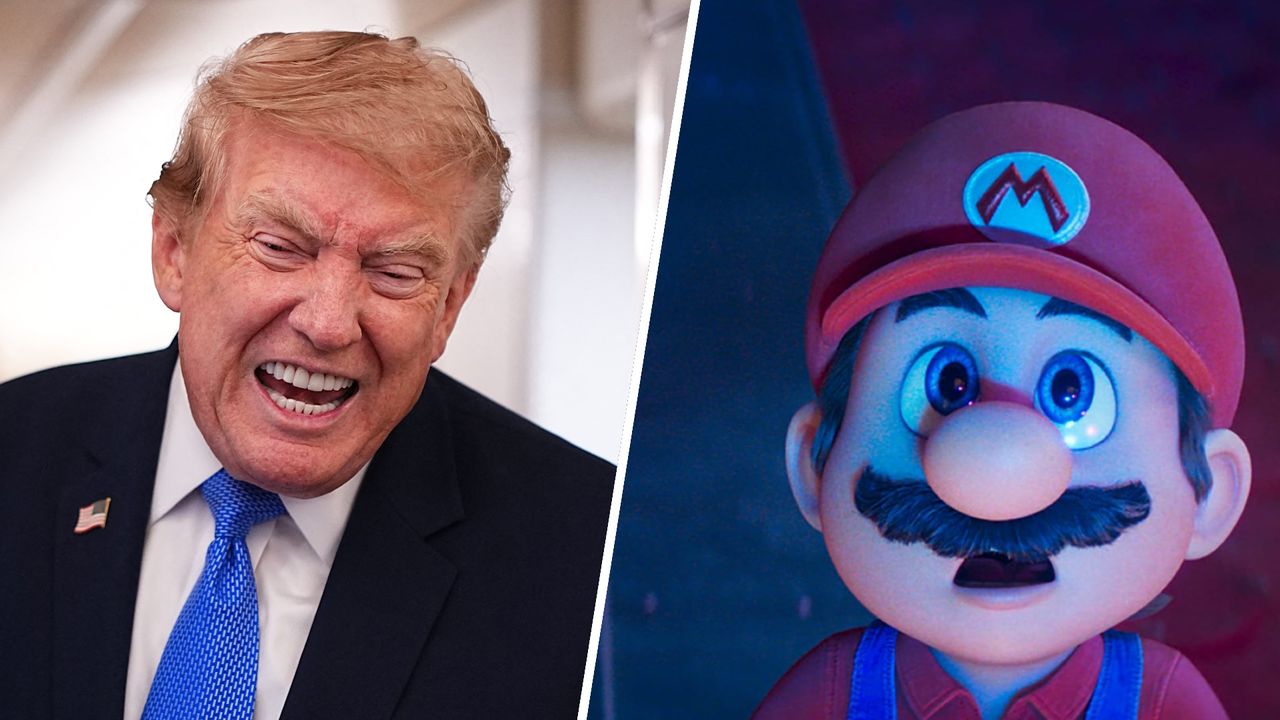
In a surprising development that has sent ripples through the worlds of pop culture and international diplomacy, Japan has reportedly requested that the United States cease the use of its iconic characters, including beloved figures like Mario and Pokémon, in official government social media posts. This intervention, according to sources close to the matter, transcends mere adherence to copyright law and points to a deeper concern within Japan’s foreign ministry regarding the potential damage being inflicted upon these globally recognized brands by their usage in what are often perceived as informal or even trivial contexts by governmental entities.
The cultural export power of Japan is undeniable, with characters like Mario, Pikachu, and the expansive universe of Pokémon having transcended their origins to become household names across the globe. These characters are not merely entertainment products; they are potent symbols of Japanese creativity, innovation, and a unique brand of cultural diplomacy. For decades, Nintendo and The Pokémon Company have meticulously cultivated the image and perceived values associated with these characters, investing heavily in maintaining their appeal and ensuring their portrayal aligns with established brand identities. The concern, therefore, stems from the potential for a perceived dilution or misrepresentation of these carefully crafted images when they are deployed by a foreign government, irrespective of the original intent.
While the specific instances that triggered this diplomatic inquiry have not been publicly detailed, it is understood that the Japanese foreign ministry believes certain U.S. government social media campaigns have inadvertently cast these characters in a light that is inconsistent with their established brand personas. This could range from inappropriate contextualization to an over-reliance on their visual appeal without proper regard for their cultural significance. The worry is that such usage, when amplified through the vast reach of U.S. government social media channels, could lead to a subtle but significant erosion of the brands’ carefully constructed image and, by extension, diminish their global appeal and economic value.
This situation highlights a growing awareness of the intangible assets that cultural intellectual property represents. Beyond the financial implications of licensing and merchandising, these characters embody a certain prestige and positive association. The fear is that by being used in potentially mundane or politically charged contexts by a foreign government, their aura of playful wonder and universal appeal could be tarnished. This is a delicate balancing act, as Japan also benefits from the widespread recognition of its cultural exports. However, the control over how these exports are presented and perceived is paramount.
The United States government, known for its proactive engagement on social media platforms to communicate with its citizens and international audiences, may not have fully appreciated the delicate nature of these cultural icons from a diplomatic and brand management perspective. The request from Japan is likely an attempt to foster a more collaborative understanding of how these shared cultural touchstones can be utilized respectfully, ensuring that their positive influence is preserved and even enhanced, rather than inadvertently undermined.
A Touch of Personal Anecdote Amidst Diplomatic Tensions
It’s funny, in a way, how these things can resonate even at a personal level. I remember a few years back, during a particularly dry period of government announcements on social media, I stumbled upon a post from a U.S. embassy account that featured a rather bewildered-looking Pikachu sitting next to a picture of a new agricultural initiative. My initial reaction was a chuckle, a mental shrug of “well, that’s a bit random.” But then, as I scrolled through the comments, I saw a mix of amusement and, I must admit, a slight disconnect from the intended message. Some people were just delighted to see Pikachu, others were questioning the relevance. It felt like the electric mouse had become the headline, overshadowing the actual information. It made me realize how potent these characters are, capable of diverting attention, for better or worse.
Then there was another instance, this one from a local municipal government page, that used a pixelated Mario character to announce a new recycling program. Again, the intention was clearly to make the announcement more engaging, to tap into that wellspring of nostalgia and fun. But for me, a lifelong fan, it felt… off. It was like seeing my childhood hero hawking bin collection schedules. Not that recycling isn’t important, of course, but the juxtaposition felt a little jarring. It wasn’t the *sanctity* of copyright that bothered me, but the subtle sense that these characters, born of pure imaginative joy, were being enlisted for rather mundane, albeit civic-minded, duties. It made me ponder, even then, if these beloved figures were truly being treated with the respect their global status commanded, or if they were simply being used as convenient visual shorthand.
This whole situation with Japan’s request really brings those moments back to the forefront. It’s not about stifling creativity or preventing harmless fun. It’s about recognizing that some of these characters have evolved into something more than just game sprites or cartoon figures; they are cultural ambassadors, carrying with them decades of carefully nurtured goodwill and a distinct identity. When a government, any government, decides to use them, it carries a weight that might not be immediately apparent to the social media manager behind the keyboard. The hope is that this diplomatic nudge will lead to a more thoughtful and collaborative approach, ensuring that Mario and his friends continue to bring joy and recognition to Japan, without inadvertently becoming collateral damage in the realm of international communication.
| Franchise | Iconic Character |
|---|---|
| Super Mario | Mario |
| Pokémon | Pikachu |
| The Legend of Zelda | Link (often implied) |
| Kirby | Kirby |
The implications of this request are multifaceted. It underscores the growing economic and cultural significance of intellectual property in the digital age. It also highlights the evolving nature of international relations, where cultural diplomacy is increasingly intertwined with traditional diplomatic channels. The U.S. government will likely need to reassess its social media strategy regarding the use of foreign intellectual property, ensuring that such usage is not only legally compliant but also culturally sensitive and respectful of the brands’ integrity.
Ultimately, this situation serves as a reminder that even the most globally recognized and seemingly lighthearted cultural icons possess a significant weight and a carefully managed identity. Japan’s proactive stance demonstrates a commitment to safeguarding its cultural assets, ensuring that their powerful influence continues to be a source of pride and positive global engagement.