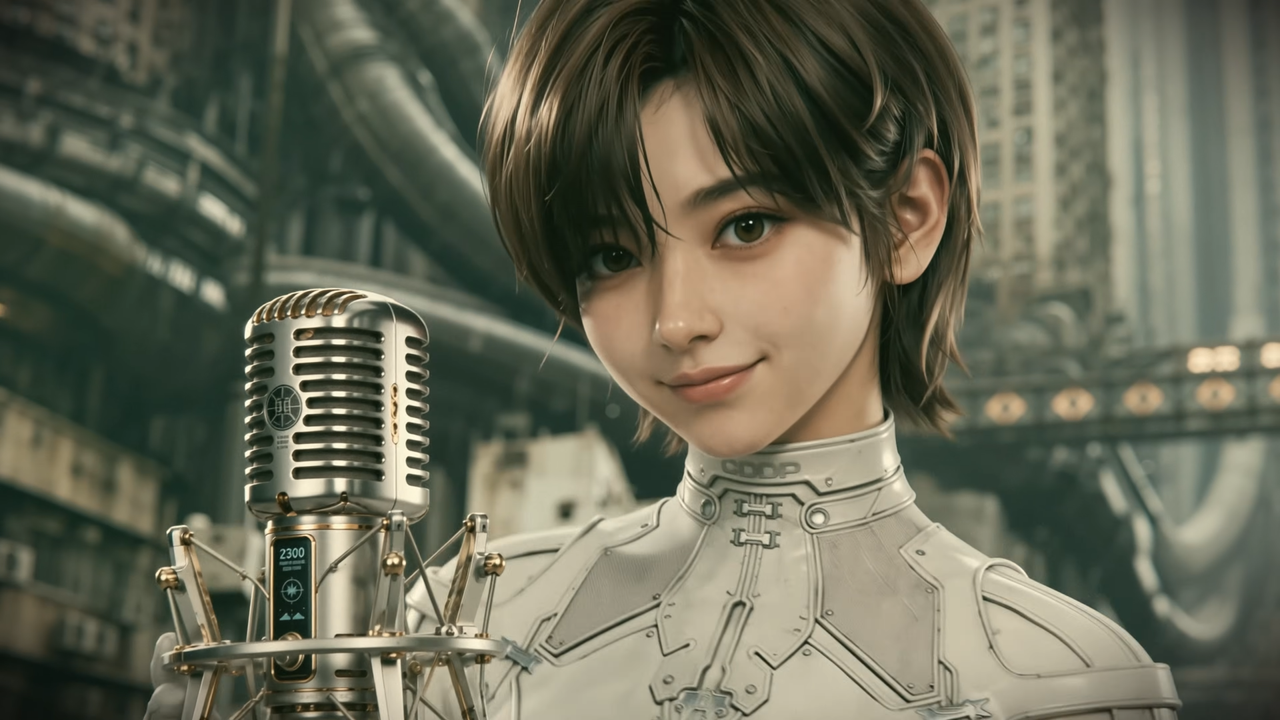
The recent controversy surrounding ShiftUp’s marketing for its upcoming title, Stellar Blade, has illuminated a significant disconnect between developers and a segment of their audience regarding the use of artificial intelligence (AI) in creative content. At the heart of the matter is an AI-generated music video titled “Blood Rain,” intended to promote a sequel or expansion, featuring the game’s protagonist, Evie. What the studio perceives as a technological innovation, many fans view as a profound misstep, with a boss from the Stellar Blade team reportedly missing the fundamental point of the backlash: the issue is not whether AI created Evie from scratch, but rather its deployment in marketing an established character.
The Core of the Controversy: Misplaced Defenses and Fan Discontent
The studio’s defense, implying that the AI did not generate Evie’s core design, inadvertently underscores the very issue fueling the uproar. The frustration stems from the fact that ShiftUp is leveraging AI to create promotional material for a character already painstakingly crafted by human artists. This is a crucial distinction. It is not about the generative capabilities of AI to invent entirely new entities; it is about taking an existing, beloved character, a product of immense human talent and effort, and then utilizing a system that many perceive as an ethical quagmire for its commercial representation. The implied message, however unintentional, is that human creative input for marketing is either unnecessary or inferior, a notion that deeply troubles the artistic community and discerning consumers.
Why does this distinction matter so profoundly? For many, it represents a step towards the potential commodification and devaluation of human artistry. When an AI generates content featuring an established character, it raises concerns about the integrity of the original creation, the potential for “deepfakes” that blur the lines between authentic and synthetic, and the erosion of trust between creators and their audience. The backlash is less about a Luddite opposition to technology and more about a demand for respect for the creative process and the ethical stewardship of intellectual property, especially when dealing with characters that resonate deeply with players.
AI in Creative Production: A Double-Edged Sword
The broader context of AI’s integration into creative industries presents a complex landscape. On one hand, AI offers undeniable potential for efficiency, aiding in tasks such as rapid prototyping, procedural generation of environmental assets, or even automating tedious animation processes. It can democratize creation, allowing individuals with limited resources to produce content previously unattainable. These applications, when handled responsibly, can augment human capabilities and streamline production pipelines, potentially leading to more innovative and diverse experiences.
However, the rapid advancement of generative AI also carries substantial ethical and practical pitfalls. Issues such as data sourcing – whether AI models are trained on copyrighted material without consent – are rampant and largely unresolved. This leads to concerns about intellectual property infringement and fair compensation for original artists. Furthermore, the risk of generating “AI slop” – uninspired, generic content lacking originality or soul – looms large. When a studio like ShiftUp opts for AI-generated marketing for a game like Stellar Blade, which has been lauded for its meticulous human-driven art direction, it creates a jarring juxtaposition that can undermine the perceived value of the human effort invested in the core product.
The Stellar Blade Precedent and Community Expectations
Stellar Blade has garnered significant attention for its highly detailed character designs and impressive visual fidelity, all clearly showcased as products of traditional game development and human artistic talent. This visual emphasis has set a particular expectation among its growing fanbase. Players are drawn to the game’s aesthetic precisely because it feels handcrafted and unique. Introducing an AI-generated music video for a sequel or expansion, especially one featuring the iconic character Evie, feels like a betrayal of this artistic promise. It suggests a potential shift towards a more automated, less human-centric approach to future content, which many find concerning and antithetical to the very appeal of the original game.
The community’s strong attachment to Evie as a character, whose every curve and expression is a testament to human design, makes the use of AI for her marketing particularly jarring. It sends a confusing message about the studio’s values and its commitment to the human element that brings such characters to life. This isn’t merely about aesthetics; it’s about the perceived authenticity and integrity of the artistic process itself. Fans want to feel that the creations they love are born from passion and skill, not from algorithms trained on potentially unconsented data.
Navigating the Future: Advice for Developers and Publishers
For game developers and publishers navigating this evolving landscape, several principles should guide their decisions:
- Transparency is Paramount: Studios must be unequivocally clear about their use of AI, distinguishing between internal development tools and public-facing content. Open communication about how and why AI is employed can build trust and mitigate misunderstandings.
- Ethical Guidelines and Data Sourcing: Implement rigorous ethical guidelines for AI use, ensuring that all training data is ethically sourced and respects intellectual property rights. Avoid tools that have demonstrably utilized copyrighted material without permission.
- Understanding Community Sentiment: Active listening and genuine engagement with the community are crucial. Dismissing valid concerns as mere “misunderstanding” only alienates the audience and exacerbates the problem. Understanding the emotional and ethical dimensions of fan feedback is vital.
- Prioritizing Human Creativity: AI should serve as an augmentative tool, enhancing the capabilities of human artists, not replacing or diminishing their roles. Investing in human talent and creativity sends a powerful message about a studio’s core values.
A Call for Industry Standards
The controversy surrounding Stellar Blade’s “Blood Rain” video underscores the urgent need for broader industry discussions and the establishment of clear legal and ethical frameworks for AI’s role in creative content and marketing. Without such standards, individual studios will continue to navigate a minefield of public backlash and legal ambiguity.
In conclusion, the Stellar Blade incident is more than just a fleeting online debate; it is a microcosm of a larger societal reckoning with the implications of advanced AI. The gaming community’s reaction is not simply Luddite opposition to new technology, but a demand for ethical stewardship, transparency, and a steadfast commitment to artistic integrity in a rapidly evolving technological landscape. For studios like ShiftUp, the path forward requires not just technological innovation, but also empathy, clear communication, and a profound respect for the human element that truly brings worlds and characters to life.