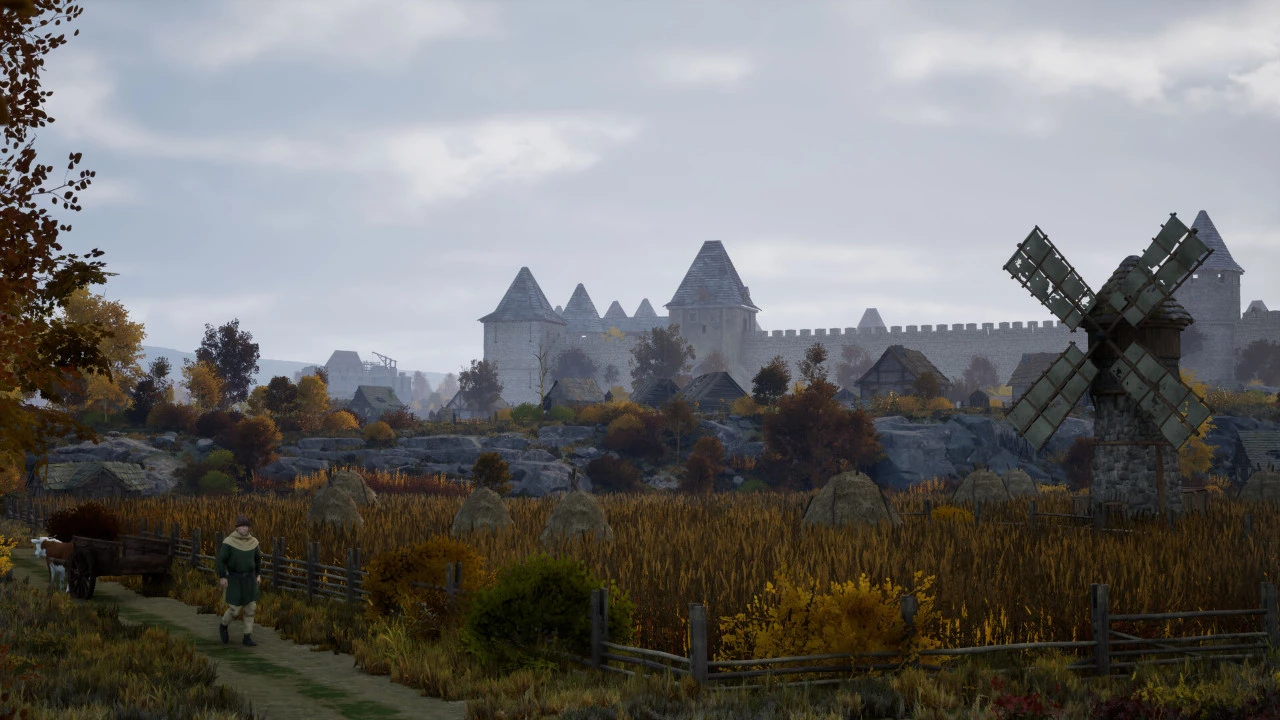
Esteemed colleagues and fellow strategists, I bring tidings of a most significant development in the digital realm of simulation gaming. The much-anticipated economic simulation, The Guild – Europa 1410, is poised to make its grand entrance into Steam’s Early Access on the 16th of July, 2026. This is not merely another title to grace our virtual desktops; it represents a meticulously crafted tapestry of medieval business and intricate dynastic intrigue, promising to immerse players in the complex socio-economic landscape of 15th-century Europe.
Unveiling the Economic Depths of The Guild – Europa 1410
For those who have delved into the annals of historical simulation, the name ‘The Guild’ likely conjures images of shrewd trading, cunning political maneuvering, and the relentless pursuit of power and prosperity. The Guild – Europa 1410 promises to build upon this esteemed legacy, offering an even deeper and more nuanced experience. Imagine the bustling marketplaces of medieval towns as vibrant, living organisms, with every transaction a ripple in the vast ocean of commerce. The developers have evidently poured their hearts and souls into recreating this intricate ecosystem, where the success of one venture can send tremors through the entire region.
This is not a game where one simply clicks a button and watches resources magically appear. No, The Guild – Europa 1410 demands a strategic mind, a keen eye for opportunity, and the fortitude to weather economic storms. Players will be tasked with establishing and managing a variety of businesses, from humble workshops to sprawling agricultural enterprises. Each decision, from the sourcing of raw materials to the pricing of finished goods, will have ramifications that echo through the seasons and extend across generations. The economy within the game is envisioned as a grand, interwoven clockwork, where every cog and spring must be perfectly calibrated for the entire mechanism to function harmoniously. A single misplaced gear, a poorly timed investment, can bring the entire edifice crashing down.
Furthermore, the game introduces dynamic market fluctuations, mirroring the often unpredictable nature of medieval economies. Supply and demand will be fickle lovers, influenced by everything from local harvests and burgeoning technologies to the whims of the nobility and the outbreak of distant conflicts. Players will need to be as adaptable as a chameleon on a kaleidoscope, constantly adjusting their strategies to remain relevant and profitable. This is the very essence of a true economic simulator: not just managing resources, but mastering the art of adaptation in the face of perpetual flux.
“The economy is the beating heart of our simulated world,” states a developer representative, a sentiment that resonates deeply with seasoned players. “We want players to feel the weight of every economic decision, to understand that the prosperity of their dynasty is tied directly to their acumen as merchants, artisans, and shrewd investors. It’s a delicate dance between risk and reward, a constant tightrope walk over the chasm of bankruptcy.”
Dynastic Ambitions and Political Follies
Beyond the tangible realms of commerce, The Guild – Europa 1410 plunges players headfirst into the treacherous currents of medieval politics and familial ambition. Establishing a successful business is merely the foundation upon which a lasting dynasty can be built. The game encourages players to cultivate their lineage, ensuring that their influence and wealth are passed down through successive generations. This involves navigating the labyrinthine corridors of power, forging alliances, and, perhaps more importantly, eliminating rivals.
The political landscape is envisioned as a chessboard, where every noble house is a player, and every decree a calculated move. Players will have the opportunity to engage in everything from subtle diplomacy and strategic marriages to more Machiavellian tactics. The pursuit of titles, advantageous positions within the local council, and even the acquisition of land will be paramount. The blacksmith forging swords in his humble shop might dream of his descendant sitting on the council bench, influencing the very laws that govern the realm.
The intrigue element is not confined to grand pronouncements and public displays of power. It permeates the very fabric of daily life. Whispers in the tavern, discreet bribes, carefully placed rumors – these are the tools of the trade for those seeking to rise above their station. Imagine a rival merchant spreading insidious rumors about the quality of your wares, or a disgruntled apprentice leaking your trade secrets. These are the shadows that lurk in the periphery, capable of undermining years of hard work with a single, well-aimed arrow of deceit.
“Dynastic survival is a precarious tightrope walk,” remarks a veteran player from our community forums. “You can build a financial empire, but if your family lineage is weak or your political allegiances crumble, all that wealth can vanish like mist in the morning sun. It’s about more than just gold; it’s about legacy and the enduring power of influence.”
The introduction of a robust dynastic system means that players will need to consider the long-term viability of their family. This includes ensuring suitable heirs, educating them for their future roles, and strategically marrying them into influential families to secure alliances and expand their reach. The game will present a complex web of relationships, where a seemingly minor dispute between two minor nobles could escalate into a feud that threatens the stability of the entire region, impacting your trade routes and political standing.
Key Features to Anticipate:
- A deeply simulated medieval economy with dynamic market fluctuations.
- Complex dynastic management, focusing on lineage, succession, and familial legacy.
- Engaging political intrigue, allowing for diplomacy, alliances, and rivalries.
- A wide array of playable professions and businesses to establish and manage.
- Authentic historical setting of Europa 1410, rich in detail and atmosphere.
- Robust AI that simulates the behavior of other families and factions within the game world.
As The Guild – Europa 1410 prepares to emerge from the mists of development into the public arena of Steam Early Access, it carries with it the promise of an unparalleled simulation experience. It is a siren call to all who revel in the intricate dance of commerce and the shadowy machinations of power. Mark your calendars for the 16th of July, 2026, for on that day, a new saga of medieval business and dynastic intrigue will undoubtedly begin its unfolding chapters.