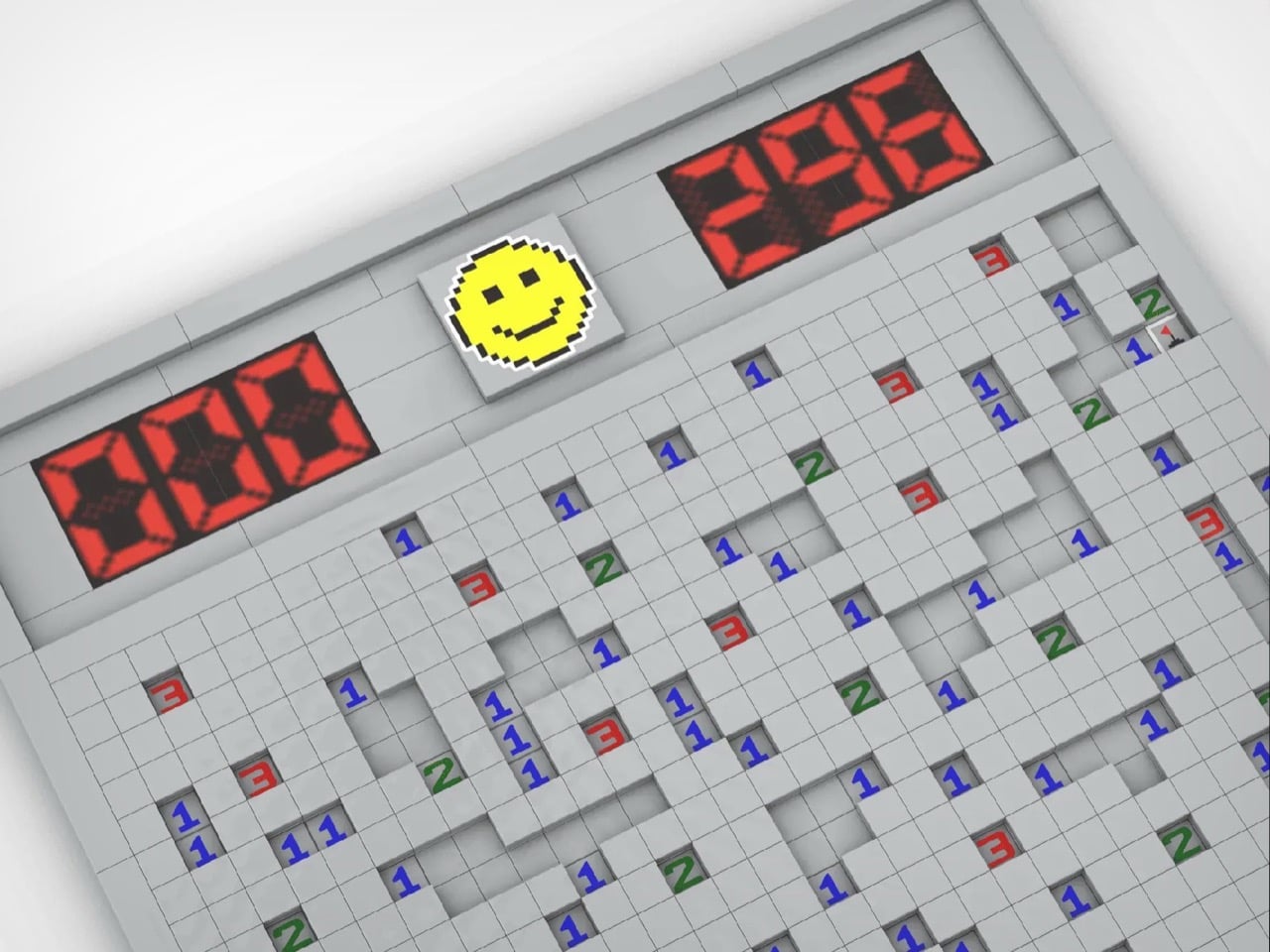
For those who navigated the corporate landscapes of the mid-1990s, the operating system Windows 95 was more than just a piece of software; it was a cultural phenomenon that defined the modern office environment. Among the various utilities and productivity tools provided by Microsoft, two simple games stood out as the ultimate culprits behind plummeting output: Solitaire and the deceptively addictive Minesweeper. A recent creative endeavor has brought the latter back into the physical realm, as a talented builder has constructed a fully functional version of this classic digital puzzle using nothing but LEGO bricks.
A Nostalgic Journey into Digital History
The ubiquity of Minesweeper in the late twentieth century cannot be overstated. It was the game that turned the act of clicking mouse buttons into a high-stakes tactical exercise. For millions of office workers, the rhythmic sound of a simulated explosion—signifying the unfortunate discovery of a hidden mine—was a frequent soundtrack to the workday. It was common practice to have the game running in a minimized window, ready to be restored the moment a supervisor walked past, or to quickly switch over to a legitimate spreadsheet to feign focus. This era of workplace culture has now been immortalized through the medium of plastic construction blocks.
The LEGO creation is not merely a static display piece or a rough approximation; it is a meticulously engineered tribute to the interface that occupied millions of monitor screens across the globe. By utilizing a complex arrangement of gears, levers, and specialized plates, the builder has managed to replicate the core mechanics of the classic logic puzzle. The tactile nature of the construction offers a fascinating contrast to the original pixelated experience, reminding us of the tactile joy that physical play provides in an increasingly digital world.
The Technical Brilliance of Brick-Based Logic
To understand the complexity of this project, one must consider the operational requirements of Minesweeper. The game relies on a grid-based system where numbers indicate the proximity of lethal mines. Recreating this logic through a non-electronic medium is a feat of engineering that requires significant planning. Key features of the LEGO version include:
- Grid Integrity: A modular frame that supports the structural weight of the board without collapsing under the pressure of repeated interactions.
- The Mine Mechanism: A series of internal toggles that shift position based on the placement of tiles, simulating the binary state of ‘safe’ versus ‘detonated.’
- User Interface Mimicry: Careful color selection and tile orientation to match the iconic Windows 95 aesthetic, including the signature gray tiles and numbered indicators.
The creator behind this project has highlighted that the primary challenge was not just the physical assembly, but the translation of the game’s inherent randomization. While the computer-generated version uses algorithms to ensure a solvable field, the mechanical version requires manual setup, adding a layer of deliberate effort to the gaming process. This highlights a shift from the instantaneous nature of software to the deliberate, hands-on satisfaction of mechanical engineering.
Cultural Significance and Enduring Legacy
Why does a game from nearly thirty years ago still command such devotion? The answer lies in the simplicity of the design. Minesweeper was a masterclass in minimalist game design. It required no narrative, no high-fidelity graphics, and no internet connection. It demanded only focus, pattern recognition, and a willingness to gamble against the odds. By translating this experience into LEGO, the builder is tapping into a collective memory that transcends age groups and technical backgrounds.
The marriage of 1990s computing nostalgia and the timeless versatility of LEGO demonstrates how art can bridge the gap between software and hardware, turning a source of office procrastination into a piece of modern interactive sculpture.
In conclusion, the LEGO rendition of this legendary productivity killer serves as a reminder of our digital roots. It invites us to look back at the origins of our technological dependency with a sense of whimsy and respect. As we continue to advance toward artificial intelligence and complex cloud-based workflows, it is refreshing to see that the simple joys of a grid, a mouse, and a hidden mine remain firmly planted in our collective imagination.