The enduring appeal of Silent Hill 2 continues to captivate audiences decades after its initial release, cementing its status as a seminal work in the psychological horror genre. However, the game’s journey through time has been fraught with challenges, particularly concerning its artistic integrity and technical preservation. A recent development highlights this struggle: with the original source code for Silent Hill 2 reportedly MIA (Missing In Action), a dedicated fan has undertaken the monumental task of restoring the game’s iconic CGI renders. This volunteer effort underscores a critical truth: the loss of foundational creative assets can only be mitigated by the passion of the community when original developers fail to safeguard their legacy.
The Unfortunate Legacy of Loss and the HD Collection
The report that Konami, the original publisher, lost the game’s original code prior to releasing the HD Collection casts a long shadow over the history of this masterpiece. This revelation explains many of the technical shortcomings and artistic compromises that plagued the Silent Hill HD Collection, released in 2012. Lacking access to the complete, original source material, the development team for the HD re-release was forced to work from incomplete builds, leading to numerous graphical glitches, frame rate inconsistencies, and a noticeable downgrade in the overall presentation. These issues, alongside controversial changes to the voice acting, sparked significant backlash from fans and critics alike, marring what should have been a celebratory revival of two classic titles.
The concept of digital game preservation is frequently discussed, but this instance serves as a stark example of its real-world fragility. For a title as critically acclaimed and culturally significant as Silent Hill 2, the loss of its fundamental building blocks represents a considerable tragedy. It not only complicates future re-releases or remasters but also hinders academic study and the ability for future generations to experience the game as its creators intended. This incident is a harsh reminder that even prominent publishers can overlook or mishandle the archiving of valuable creative properties.
Takayoshi Sato’s Vision: A Cornerstone of Horror
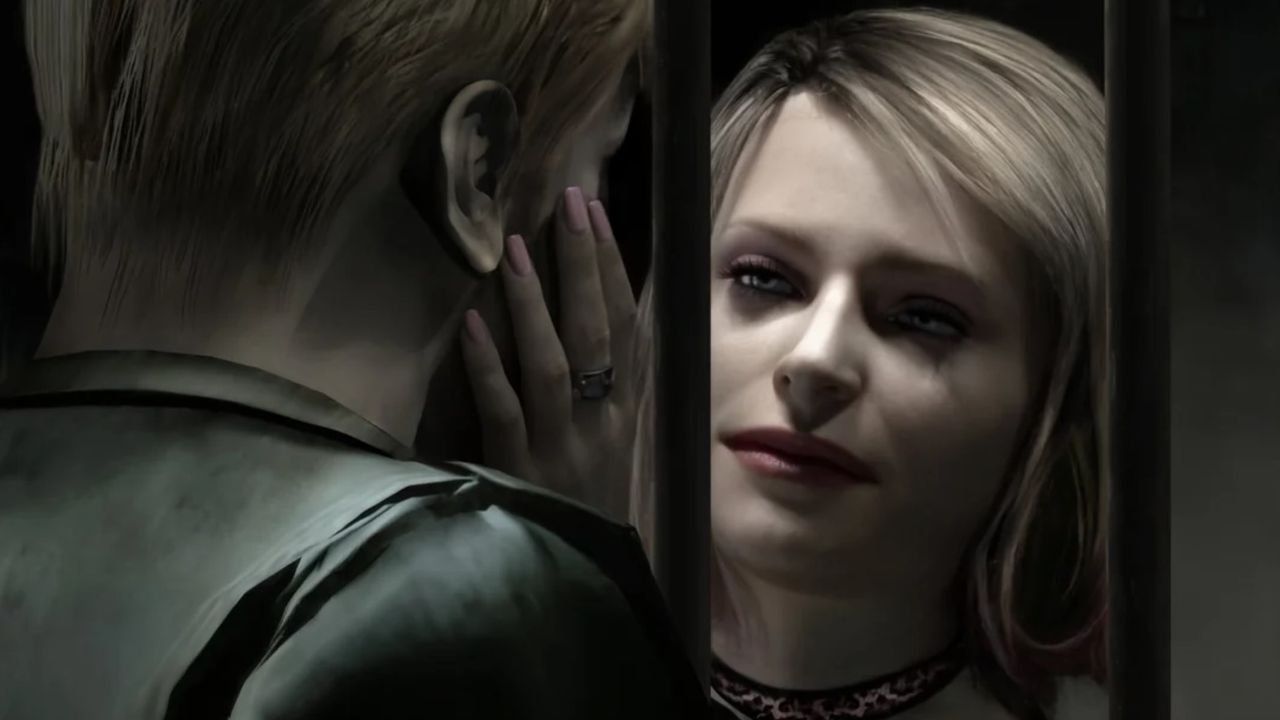
Central to Silent Hill 2’s unparalleled atmosphere were the CGI cutscenes, meticulously crafted by artist Takayoshi Sato. As the original news snippet eloquently states, “Takayoshi Sato’s work was incredible for its time.” Sato’s approach was revolutionary; rather than merely animating existing in-game models, he personally created entirely separate, highly detailed 3D models specifically for the pre-rendered cinematics. This intensive process allowed for an unprecedented level of detail, emotional nuance, and cinematic quality that truly elevated the game’s narrative and psychological impact.
“Sato’s artistry wasn’t just about technical prowess; it was about emotional resonance. His cutscenes were not mere transitions but integral parts of the storytelling, conveying the raw anguish, confusion, and horror experienced by protagonist James Sunderland. They set the tone, built suspense, and delivered iconic character reveals that remain etched in the minds of players.”
The unsettling beauty of these sequences – from James’s haunted gaze in the opening cinematic to the terrifying introduction of Pyramid Head and the somber conclusion – were vital in establishing the game’s oppressive atmosphere and exploring its complex themes of guilt, grief, and psychological trauma. Sato’s distinctive visual style and his ability to evoke profound emotion through digital puppetry made these renders timeless works of art, further emphasizing the importance of their proper preservation and the gravity of their potential degradation.
The Fan’s Endeavor: A Beacon of Preservation
In the face of official neglect, the rise of a dedicated fan to restore these CGI renders stands as a powerful testament to the passion and resourcefulness within the gaming community. Such projects often involve painstaking efforts, utilizing various techniques such as reverse-engineering existing game files, upscaling low-resolution assets using advanced algorithms, or even meticulously recreating lost elements based on archival footage and developer interviews. This kind of digital archeology is crucial for safeguarding the cultural heritage embedded within video games.
The motivations behind such an undertaking are multifaceted. They include a profound love for the original work, a desire to restore artistic integrity, and a commitment to ensuring that future generations can experience the game in its intended glory. These fan-driven preservation efforts not only fill the void left by official channels but also highlight the collective responsibility of the community in maintaining the legacy of influential titles. It’s a clear message to publishers that neglecting artistic assets will inevitably lead to independent restoration, albeit often with significant challenges and limitations.
The Broader Implications for Game Preservation
The saga of Silent Hill 2’s lost source code and the fan-led restoration of its CGI highlights a critical, ongoing challenge in the video game industry: game preservation. Unlike traditional art forms, digital games are inherently fragile. They rely on specific hardware, operating systems, and proprietary software that can quickly become obsolete. Without proactive measures, countless games risk becoming unplayable or irrevocably altered over time.
Several key lessons emerge from this situation and offer valuable advice for both developers/publishers and the broader gaming community:
- Robust Archiving Practices: Publishers must establish and maintain comprehensive archiving strategies for all creative assets, including source code, concept art, uncompressed audio, and video files. These archives should be regularly backed up and stored in multiple, secure locations and formats.
- Documentation and Openness:
- Collaboration with Preservationists:
- Support for Fan-Driven Efforts:
- Consumer Advocacy:
Conclusion: A Legacy Restored, A Future Secured?
The ongoing effort to restore Silent Hill 2’s CGI renders is more than just a technical fix; it is a reaffirmation of the game’s enduring artistic value and the unwavering dedication of its fanbase. While the loss of the original source code is a regrettable chapter in gaming history, the community’s response exemplifies the power of collective action in safeguarding cultural heritage. This episode serves as a powerful reminder that while the digital age offers incredible creative freedom, it also demands rigorous diligence in preservation. Only through proactive measures by creators and persistent efforts by communities can the masterpieces of interactive entertainment truly stand the test of time, ensuring that the legacy of works like Silent Hill 2 continues to inspire and terrify for generations to come.