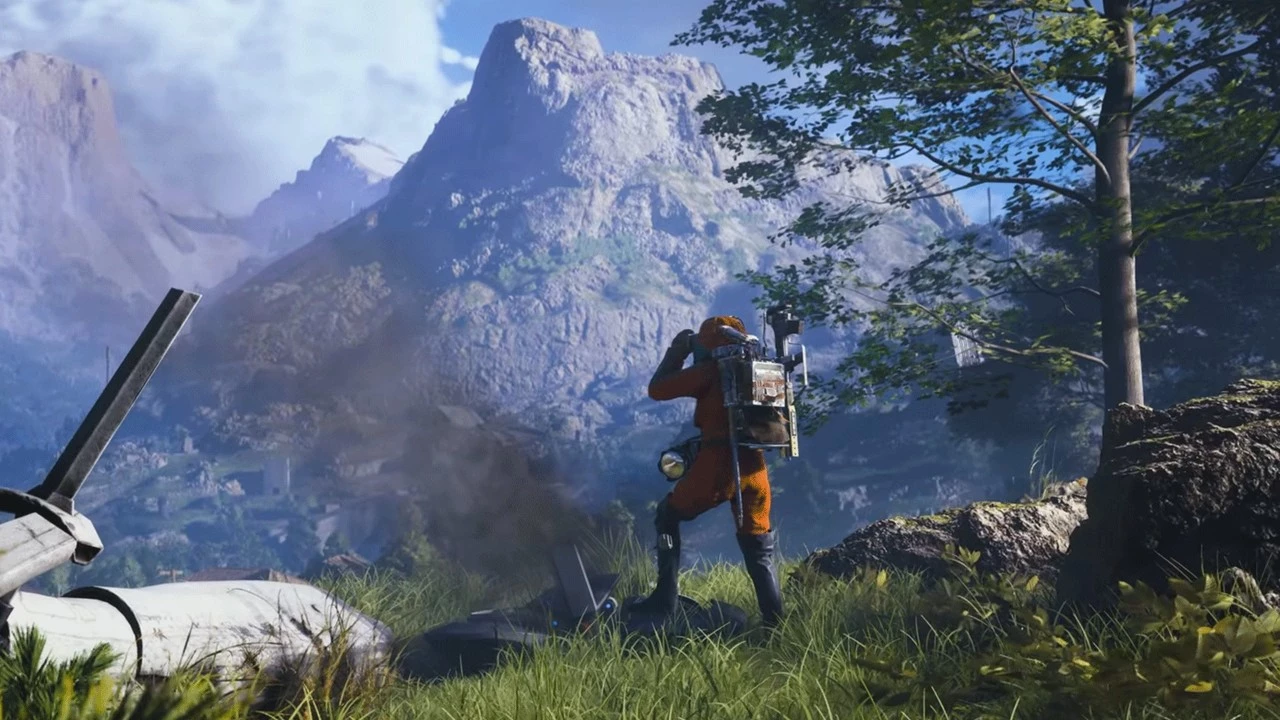
As a developer deeply entrenched in the intricacies of game design and user experience, I have always believed that the bridge between a chaotic game world and a player’s ability to engage with it effectively is built through intelligent interface design. Recently, the team behind ARC Raiders took a significant step forward in this regard by introducing a sophisticated map condition tracker. This is not merely a quality-of-life update; it is a fundamental shift in how players interact with the game’s dynamic ecosystem.
The Philosophy of Information Architecture
In high-stakes extraction shooters like ARC Raiders, information is the most valuable currency. Players are constantly navigating a landscape defined by scarcity, high-risk encounters, and environmental hazards. By implementing a real-time tracking system for global events, the developers have successfully minimized the friction between player intention and execution. In game development, we often speak about reducing cognitive load. By moving the burden of tracking rare events from the player’s memory to the UI, we allow players to focus on tactical decision-making rather than administrative busywork.
Key benefits of the new tracking system include:
- Increased Predictability: Players can now plan their routes based on live data, leading to more meaningful encounters.
- Reduced Downtime: Less time spent wandering aimlessly, more time engaging with the game’s core loops.
- Strategic Depth: High-level players can now analyze event patterns to optimize their looting strategies.
“True immersion isn’t about hiding information; it’s about presenting the right information at the right time to empower the player’s narrative. This tracker is a testament to that philosophy.” — Anonymous Lead Systems Designer
Expert Advice: Mastering the New Map Tracker
To truly leverage this update, players need to shift their mindset from reactive gameplay to proactive maneuvering. If you want to dominate in ARC Raiders, you must learn to integrate this tool into your broader meta-strategy. Here are my professional recommendations on how to utilize this new feature effectively:
First, prioritize your resource allocation. When a rare event icon appears on your HUD or map, evaluate your current equipment loadout against the projected difficulty of that event. Don’t chase every event; instead, calculate the risk-to-reward ratio. Often, the best players use the tracker to avoid hotspots when they are low on resources and aggressively contest those same areas when fully kitted.
Second, use the tracker for multi-layered planning. Do not just look at the event that is currently active. Observe the cadence of upcoming events. If you see two rare spawns closing in on your position, that is your queue to rotate early. In an extraction shooter, the team that arrives first at an objective sets the defensive perimeter, giving them a massive advantage over those who arrive under pressure.
Finally, understand that the tracker is a double-edged sword. Because it is visible to all players, the most lucrative events will inevitably become conflict zones. Use the tracker to anticipate where your opponents are likely to congregate. Sometimes, the smartest move is not to rush to the event, but to set up an ambush on the path leading to it. This is where ARC Raiders shines — it is a game of constant tactical repositioning.
In conclusion, the addition of the map condition tracker represents a maturation of the ARC Raiders experience. By providing players with the data they need to make informed choices, the developers are moving the game away from pure chance and toward a system where skill and preparation determine the outcome. Whether you are a solo operator or part of a coordinated squad, embrace this tool as your most critical piece of equipment.