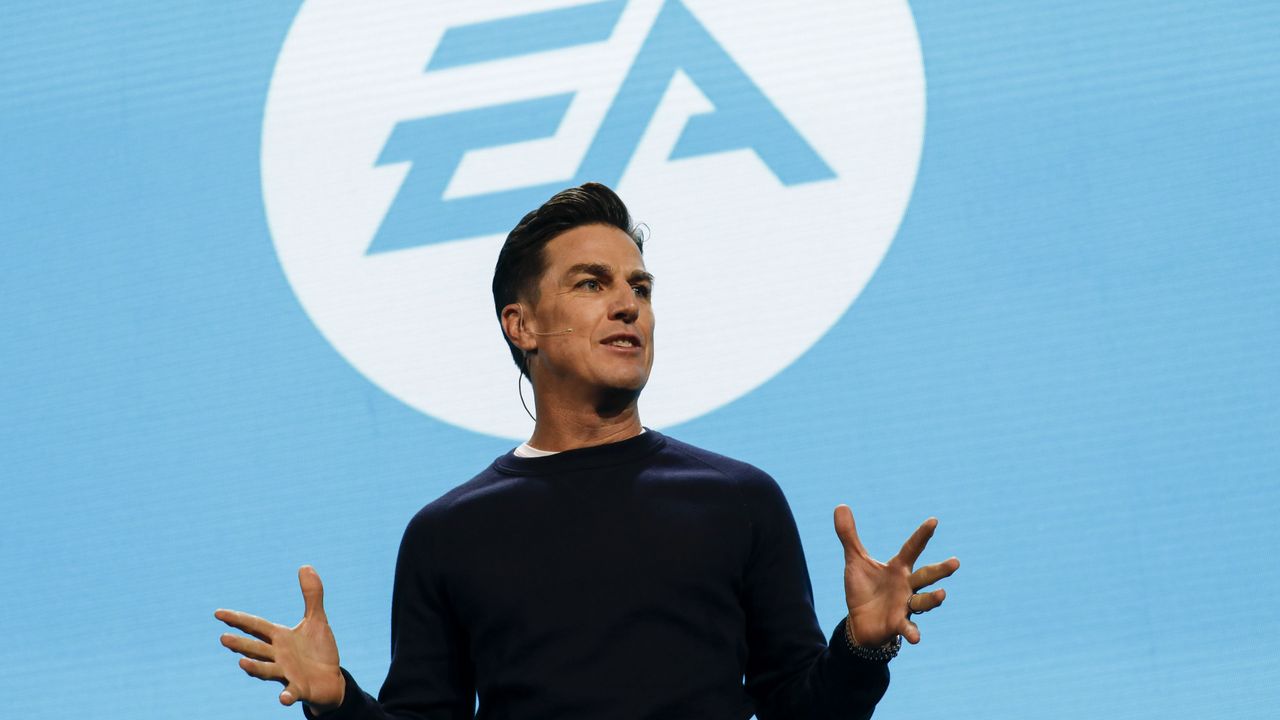
The gaming industry is experiencing a prolonged and unsettling period characterized by widespread layoffs, a trend that shows no immediate signs of abating. The latest development comes from Electronic Arts (EA), a titan in the video game sector, which has announced significant staff reductions. This move, occurring as EA navigates a potential $55 billion sale involving entities linked to Saudi Arabia, is widely interpreted as a strategic maneuver to alleviate the substantial burden of its reported $20 billion debt.
Context of Industry Challenges
The current climate within the tech and gaming industries is one of heightened scrutiny and financial discipline. Following a period of rapid expansion fueled by the pandemic-induced surge in digital entertainment, many companies are now recalibrating their strategies. This recalibration often involves cost-cutting measures, and unfortunately, employee layoffs have become a recurrent narrative. EA’s situation is symptomatic of broader industry pressures, where profitability and sustainable growth are being prioritized over aggressive expansion.
The reported potential sale of EA to entities connected to Saudi Arabia, a region increasingly investing in global entertainment and technology, injects a significant layer of complexity. Such large-scale acquisitions are often preceded by stringent due diligence and the optimization of financial structures. Reducing operational costs, including personnel expenses, can be a crucial step in presenting a more attractive financial profile to potential acquirers.
EA’s Financial Landscape and Strategic Rationale
The sheer magnitude of EA’s reported $20 billion debt underscores the urgency behind any financial restructuring. High levels of debt can hinder investment in new projects, limit flexibility in market responses, and significantly impact shareholder value. Layoffs, while a painful necessity for those affected, can offer a more immediate pathway to reducing operating expenses, thereby improving the company’s bottom line and debt-servicing capacity.
The statement suggesting that “layoffs will continue until… well, something improves” is candid and reflects an uncertain outlook for the immediate future. It implies that the current wave of job cuts is not necessarily a singular event but rather a component of an ongoing process aimed at achieving a more stable financial footing. This suggests that improvements in EA’s financial health or a definitive resolution concerning the potential sale are prerequisites for the cessation of these workforce reductions.
Potential Implications of the Sale
A sale of EA’s magnitude, potentially valued at $55 billion, would represent one of the largest transactions in the history of the gaming industry. Investments from Saudi Arabia into the gaming sector have been growing, with significant capital allocated to acquiring stakes in or wholly taking over various gaming companies. This aligns with the Kingdom’s broader vision of diversifying its economy and establishing itself as a major player in the global digital and entertainment landscape.
For EA, the acquisition could herald a new era of investment and potentially less pressure from public markets regarding quarterly earnings. However, it also raises questions about the future direction of its creative output, studio autonomy, and the long-term employment prospects for its workforce. Employees often face uncertainty during such transitions, with potential shifts in management, company culture, and strategic priorities.
Expert Perspectives and Industry Trends
“The gaming industry is undergoing a significant consolidation phase. Companies are re-evaluating their strategies in the face of rising development costs, increased competition, and a more discerning consumer base. Layoffs, while unfortunate, are a symptom of this broader economic adjustment and a drive for greater efficiency.”
Many industry analysts point to the increasing cost of game development and the challenges of monetizing games in a crowded market as significant contributing factors to the current economic climate. The lifecycle of console generations also plays a role, with periods of high investment often followed by efforts to consolidate and optimize resources.
Table of Recent Industry Layoffs (Illustrative)
| Company | Approximate Number of Layoffs | Date |
| Microsoft (Xbox) | 1900 | January 2024 |
| Sony (PlayStation) | 900 | February 2024 |
| Valve | 30 | March 2024 |
| Electronic Arts (EA) | Ongoing | Ongoing |
Advice for Affected Professionals
For professionals within the gaming industry facing these uncertain times, proactively managing their careers is paramount. Key recommendations include:
- Networking: Actively engage with industry peers, attend virtual and in-person events, and maintain connections. The gaming community is often supportive, and many opportunities arise through personal introductions.
- Skill Enhancement: Continuously update and expand skill sets. Specializing in high-demand areas such as AI in game development, cloud gaming technologies, or advanced analytics can provide a competitive edge.
- Portfolio Development: For creative and technical roles, a strong and up-to-date portfolio is crucial. Showcase projects that demonstrate adaptability and proficiency.
- Financial Preparedness: Build an emergency fund to provide a buffer during transitional periods. Understand personal finances and explore options for maintaining benefits and healthcare coverage.
- Market Research: Stay informed about companies that are growing, hiring, and have strong financial backing. Identify potential employers who align with career aspirations and values.
The current industry landscape, marked by significant financial adjustments and strategic realignments, presents challenges for many. EA’s situation serves as a stark reminder of the dynamic and sometimes volatile nature of the global entertainment business, where both immense opportunity and considerable risk coexist.