
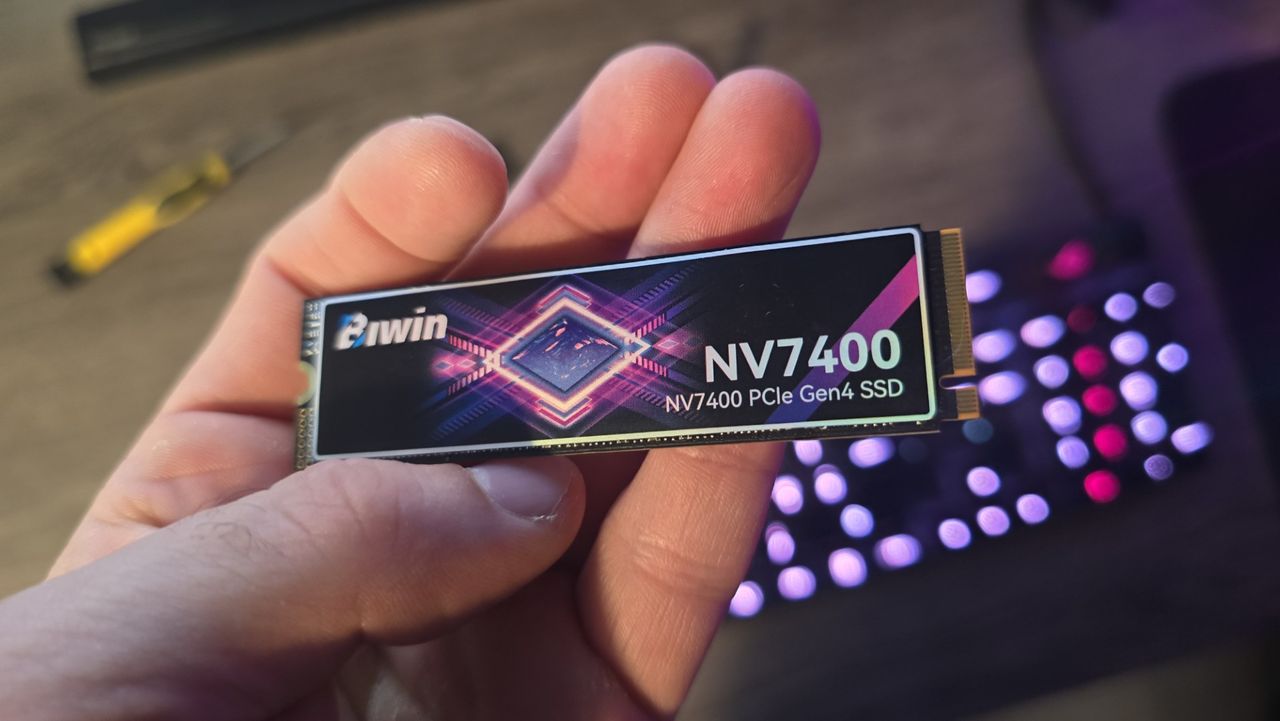
A Strategic Move Signaling Long-Term Market Expectations
In a significant development within the fast-paced semiconductor industry, a prominent SSD company, which observers are widely speculating to be Biwin, has reportedly finalized a monumental, multi-year deal for NAND flash memory. The value of this agreement is staggering, approaching the $2 billion mark. This substantial investment is not merely a transactional event; it serves as a powerful indicator that the company anticipates the current memory crisis to persist for an extended period. This forward-thinking strategy suggests a deep understanding of market dynamics and a proactive approach to mitigating potential supply chain disruptions.
The global demand for solid-state drives (SSDs), a critical component in modern computing devices ranging from personal computers and laptops to servers and data centers, has been on a steep upward trajectory. This surge in demand, coupled with various external factors, has created a tight supply environment for NAND flash memory, the fundamental building block of SSDs. Industry analysts have pointed to a confluence of issues, including production bottlenecks, geopolitical uncertainties affecting raw material supplies, and increased demand from emerging technologies like artificial intelligence and 55G infrastructure, as key drivers of the ongoing memory shortage and subsequent price hikes. Against this backdrop, Biwin’s sizable commitment to securing future NAND supply is a testament to its strategic foresight.
Unpacking the Implications of the Biwin NAND Deal
The sheer scale of the near $2 billion agreement underscores the gravity of the situation. It suggests that Biwin is not looking for short-term relief but rather for guaranteed access to a critical resource over several years. This long-term perspective is crucial in an industry characterized by long production cycles and significant capital expenditure. By locking in a substantial volume of NAND with a supplier, Biwin aims to insulate itself from the most volatile price fluctuations and ensure consistent production capabilities for its SSD products.
This deal could prove to be an exceptionally advantageous one for Biwin, especially if the NAND prices continue to rise as widely predicted by market experts. The company, by securing its supply at what might be considered favorable terms relative to future market conditions, is positioning itself for significant profit margins. If the cost of NAND memory escalates, Biwin’s ability to fulfill orders at previously agreed-upon prices will grant it a distinct competitive edge. This would not only bolster its financial performance but also enhance its reputation as a reliable supplier in a market prone to shortages and unpredictable pricing.
To better understand the potential outcomes, let’s consider a simplified scenario. The NAND market operates on a supply and demand principle. When demand outstrips supply, prices naturally increase. For instance, if Biwin has secured NAND at an average price of $X per gigabyte for the next few years, and the market price rises to $Y per gigabyte (where Y > X), Biwin will benefit significantly from its early commitment. This allows them to absorb the rising costs of production and maintain competitive pricing for their end products while potentially realizing higher profit margins.
Key Players and Market Dynamics
| Aspect | Description | Impact on Biwin |
|---|---|---|
| Deal Value | Almost $2 billion | Significant investment, indicative of long-term commitment |
| Deal Duration | Multi-year | Guaranteed supply, strategic insulation from market volatility |
| Market Condition | NAND memory crisis (supply shortage, rising prices) | Potential for substantial profit if prices continue to climb |
| Anticipated Outcome | Favorable deal for Biwin if NAND prices escalate | Competitive advantage, enhanced financial performance, market leadership potential |
The specific supplier of the NAND flash memory in this transaction has not been publicly disclosed. However, major players in the NAND market include companies such as Samsung, SK Hynix, Micron Technology, Kioxia, and Western Digital. Any one of these entities, or potentially a consortium, could be involved. The choice of supplier would also carry its own implications regarding manufacturing technology, quality, and reliability. Regardless of the specific partner, the scale of the agreement suggests a deep level of trust and strategic alignment between Biwin and its NAND provider.
Expert Perspectives and Future Outlook
Industry experts have lauded this move as a masterstroke of strategic planning. “Securing long-term supply agreements for critical components like NAND flash memory is paramount for any SSD manufacturer aiming to thrive in the current market environment,” commented a senior analyst from a leading technology research firm. “Biwin’s substantial investment demonstrates a clear understanding of the persistent nature of the memory crisis and positions them favorably to navigate future market uncertainties.”
The implications of this deal extend beyond Biwin. It signals to the broader market that large-scale commitments are becoming the norm for securing essential semiconductor components. This could potentially trigger similar strategic moves from other SSD manufacturers, further solidifying the demand for NAND and potentially exacerbating the current supply constraints in the short term for those without such agreements. However, in the long run, well-executed supply agreements like this one are crucial for the stability and continued innovation within the memory market.
The success of this deal hinges on several factors:
- The accuracy of Biwin’s market projections regarding the longevity of the memory crisis.
- The specific terms negotiated for the NAND supply, including pricing escalation clauses and volume commitments.
- The production capacity and technological advancements of the NAND supplier.
- The overall demand for SSDs and the broader technology sector in the coming years.
In conclusion, Biwin’s aggressive multi-year NAND deal, valued at nearly $2 billion, is a bold and strategic maneuver. It directly addresses the ongoing memory crisis and positions the company to benefit immensely should NAND prices continue to rise. This agreement signifies not just a procurement of raw materials but a calculated bet on the future trajectory of the global semiconductor market, underscoring Biwin’s commitment to sustained growth and market leadership.